Virginia Sustainable Energy Call or text (804) 719-8841
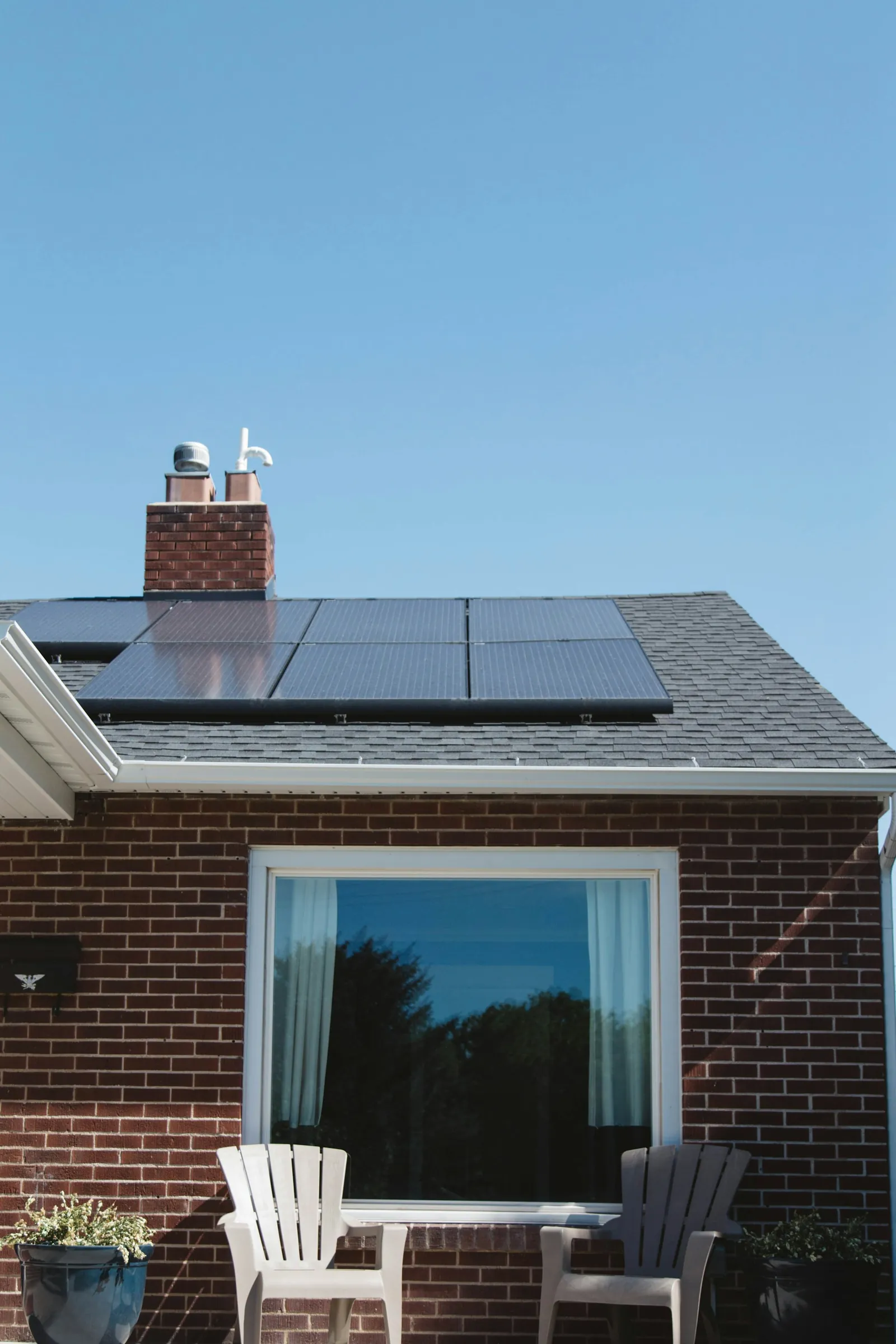
Solar panels on the roof of a brick house in Virginia, above a wide front window

The provider pays for the panels. You pay less for the power.

Virginia's Power Purchase Program lets a solar provider put a system on a qualifying home at no cost to the homeowner. They own it, install it, and maintain it. You host it and buy the power it makes, at a lower rate than the utility charges. No loan. No lien. Nothing to buy.

See if my home qualifies Four questions, about 30 seconds. Then Kaden texts you.

Three steps, and none of them is a purchase.

This is the part people don't believe until they see it laid out. There is no system to buy and no loan to sign. The provider is buying the right to put panels on a good roof, and the homeowner gets cheaper power for hosting them.

A man at his kitchen table reading his electric bill

First, we look at your roof and a recent bill.

Four questions here, then a short call. Whether a home fits comes off the actual bill and roof, not a sales pitch.

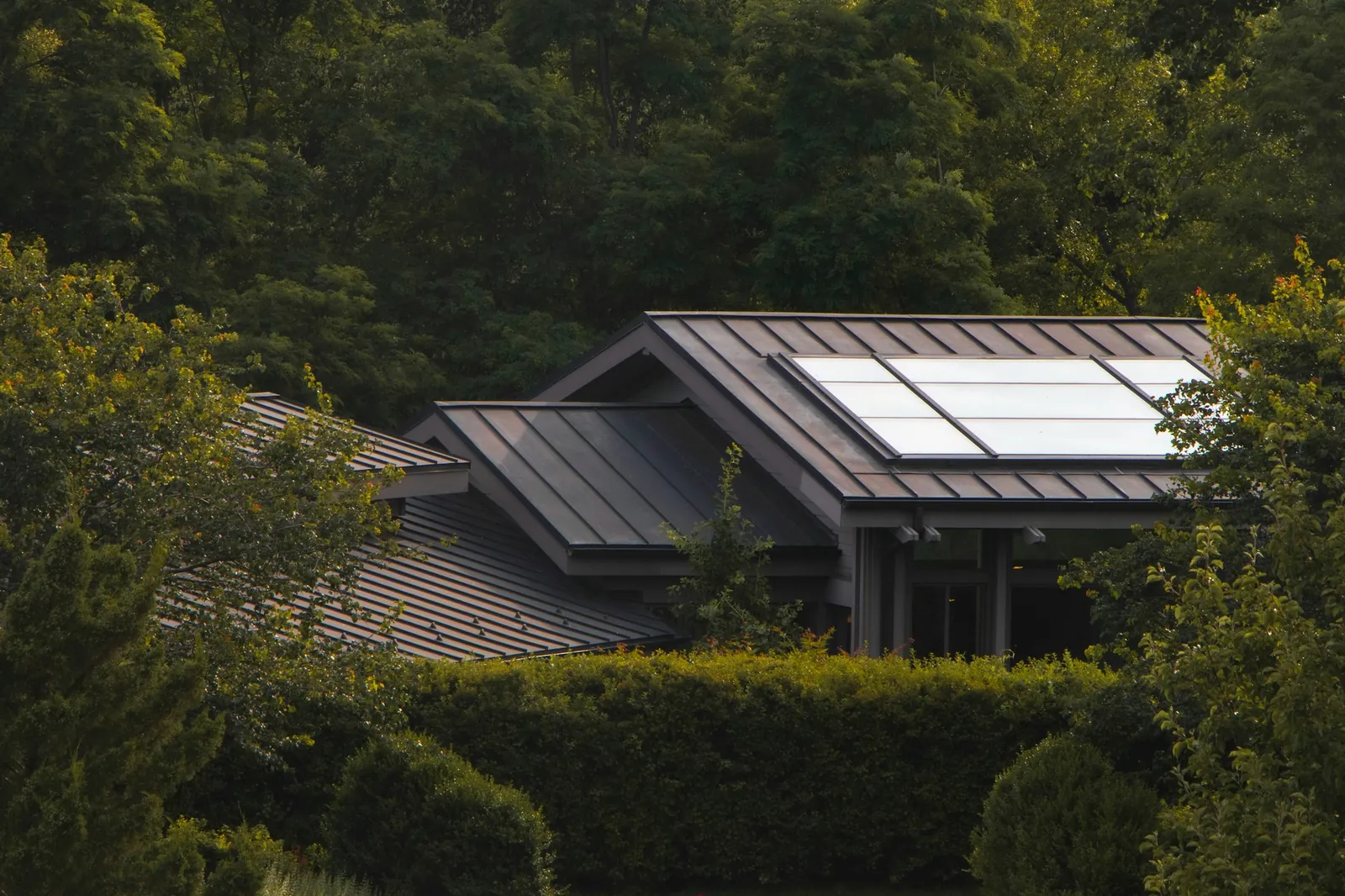
Solar panels on the roof of a house under trees

Next, if it fits, the provider installs at $0 out of pocket.

They pay for the system, own it, install it, and maintain it for as long as it's on the roof. There's no loan behind it and nothing goes on the title.

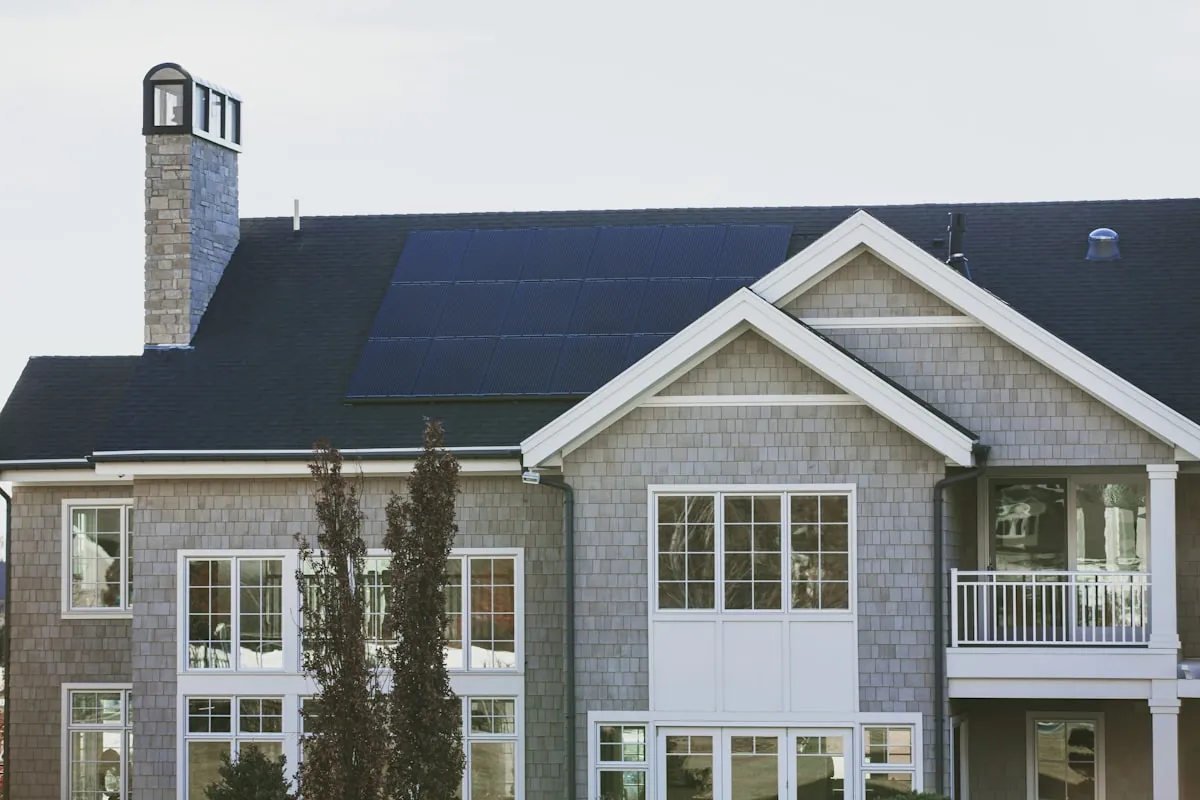
A gray house with a full array of solar panels on the roof

Then you pay for cheaper power off your own roof.

Instead of paying the utility for all of it, you pay the provider for what the panels make, at a lower rate. Homes that fit typically pay about 30% less for their power.

Three things decide it.

Not every home does, and the ones that don't get told so on the first call. If yours has these three, it's worth the four questions.

What changes, and what doesn't.

The honest version, because "free solar" has been said by a lot of people who meant a loan.

What changes

  • Where most of your power comes from: your own roof first, the grid for the rest.
  • What you pay for it: a lower rate for the power the panels make, on a monthly statement from the provider.
  • Who looks after the equipment: the provider, for the life of the agreement. Monitoring, repairs, and replacement are theirs.

What doesn't

  • You don't buy anything and you don't borrow anything. No loan, no lien, no lease on the house.
  • Your utility connection stays. On a cloudy week you're still on the grid like always.
  • The roof is still yours. If you sell, what happens to the agreement is one of the things Kaden covers on the call, before anything is signed.

One person. His name is Kaden.

No call center. When you send the four answers, Kaden texts you from a Virginia number, and the call is with him. He'll tell you straight if the house doesn't fit.

(804) 719-8841
Example of the first text, from (804) 719-8841
Hey Marcus, this is Kaden with Virginia Sustainable Energy. Saw your answers come through about the solar program.
Grab a time here and I'll walk you through what your house qualifies for: virginiasustainableenergy.org/book
Tuesday at 2 works
Got you down for Tuesday at 2:00. If you have a recent bill handy for the call, we'll have real numbers to look at.

The short answers.

Is this actually real, or is it a loan with a different name?

It's a power purchase agreement, which Virginia allows for homes. A solar provider pays for and owns a system on your roof, and you buy the electricity it produces at a set rate. You never own the panels and you never owe for them. That's the whole structure.

Who are the providers?

National residential solar companies that operate in Virginia. Which one takes a given home depends on the roof, the utility, and the fit, and that's settled after the call, not before. Kaden will tell you who it is before anything is signed.

What does the call cover?

Your bill, your roof, and whether the numbers make sense for your house. It's a short call. If it doesn't fit, you'll hear that on the call.

What if I sell the house?

Ask this one on the call. How the agreement is handled in a sale depends on the provider, and Kaden will walk through it with the actual terms in front of you before anything is signed.

What happens if something breaks?

The provider owns it, so the provider fixes it. Monitoring, repairs, and replacements are on them for the term of the agreement.

Do I have to do anything to my roof first?

Usually no. The provider inspects it before installing. A roof that needs replacing soon is one of the things that can disqualify a home, and it's better to know that up front.

Four questions.

Then a name and a number so Kaden can text you. About 30 seconds.

Do you own the home?

The provider needs the owner to be the one signing.

About how much is your electric bill most months?

A rough number is fine. It just tells us whether there's enough power to replace.

Who's your electric company?

It's on the top of the bill.

How much shade is on your roof?

Think about the middle of the day in summer.

Where should Kaden text you?

During the day the first text goes out within a few minutes of you sending this.

Got it. Kaden's texting you now.

Watch for a text from (804) 719-8841. If you'd rather pick a time yourself, you can grab one here.

Pick a time for the call

See if my home qualifies